How Life Looks Is Shifting- The Forces Driving It In 2026/27
Best 10 Food And Nutrition Trends You Need To Be Keeping Up-To-Date With In 2026/27Food is at the crossroads of science, culture economics, personal identities in a fashion that few other aspects of daily life match. What people eat, from where it originates from, how it's created, and what it affects the body are issues that receive an increasing amount of attention each growing year. The food and nutrition landscape of 2026/27 has been shaped by developments in science, increasing environmental awareness, evolving consumer preferences and a technological sector that has identified food as one of the largest changes that will occur in the next years. Here are the ten most important food and nutrition trends to know about heading into 2026/27.
1. Personalised Nutrition Changes From Concept To PracticumThe notion that the optimal diet is different for every person depending on their genetics, gut microbiome composition, metabolic profile, and lifestyle factors has been being explored in research literature over the past few years. In 2026/27, the tools to make that assumption are becoming more accessible than specialist athletic clinics, and even elite athletes. In the marketplace, platforms for consumer use that combine genetic tests and continuous glucose monitoring microbiome analysis, as well as AI-driven food recommendations are now reaching mass markets. The one-size fits all diet is not going away but is increasingly being supplemented by suggestions that are adapted to the particular rather than to the average.
2. Gut Health Is Still The Most Important Part Of Mainstream Nutrition TheoryThe gut microbiome (the vast community of microorganisms living within the digestive system has emerged as one of the most researched areas of nutrition science. And the results continue to ripple outwards into how people think about their food choices. Connections between gut health and immune function, mental wellbeing, metabolic health, and inflammatory conditions have elevated fermentation of foods, dietary fiber, and prebiotic and probiotic products from health food store products to popular supermarket choices. Gut health awareness among consumers is only a fractional understanding and the supplement market in particular is prone to overstatements, yet the science is firmly established and growing.
3. Plant-based Eating Grows And DiversifiesThe initial generation of meat substitutes derived from plants designed to resemble the flavor and texture in the closest way possible is now maturing into a wider variety of. Whole food plant-based eating focused on legumes, veggies and grains, as well as nuts and seeds in more natural forms, is growing along with the ongoing development of more sophisticated alternative proteins. The motives are shifting as well. Environmental impacts, health benefits, and animal welfare are all important often in tandem. The shift towards plant-based foods in 2026/27 is less of a purely binary statement, but more of a diverse range that an increasing percentage of the population are engaged with in different degrees.
4. Protein Demand Drives Innovation Across Multiple CategoriesProtein has evolved into the most economically powerful macronutrient in the food sector, and the race for meeting the rising need for it has prompted innovation across a diverse range of products. Precision fermenting, which uses microorganisms to produce animal proteins without animal products and animal products, is expanding. Insect protein is still struggling to overcome significant cultural resistance in Western markets, is now finding acceptance in specific processed food applications. Algae-based protein, single-cell proteins made from agricultural waste and the continued growth of legume-based alternatives are all part of a diverse protein and reflect the need for sustainability as well as commercial opportunity.
5. Ultra-Processed Food Faces Growing Regulatory PressureThe research that links high consumption of ultra-processed food to a wide range of adverse health effects has grown to a point at which regulatory responses are starting to follow. Warning labels, restrictions on advertising especially targeting children, school food standards and public health campaigns specifically addressing ultra-processed food consumption are currently gaining momentum in several countries. Food industry responds to reformulation efforts with varying quality, and awareness among consumers about the ultra-processed category of food is growing, even though behaviour shifts at the level of the population remain difficult to attain. The direction for policy change is apparent, even if it's not always easy to predict.
6. Food Waste Reduction Becomes A Serious PriorityAbout a third of the food produced globally is lost or wastage, resulting in an enormous economic, environmental as well as ethical mishap. In 2026/27, addressing food waste has been gaining attention from the government, retailers as well as food service operators and even technology developers. The dynamic pricing of food items that are approaching its use-by-date Demand forecasting based on AI that minimizes overproduction, applications connecting surplus food to charity and consumers, and innovations in packaging to extend shelf life are all contributing to a tangible shift. For consumers, normalizing the imperfection of food choosing meals more carefully, and using food more fully are simple behaviours with a profound impact in the larger context.
7. Functional Foods And Beverages Go MainstreamFoods and beverages designed to offer specific health benefits above essential nutrition have advanced beyond the aisles of health food. Cognitive function such as sleep quality and stress management, as well as immune support as well as energy without the crash that is associated with conventional stimulants are all targets for popular food and drink products that contain adaptogens, nootropics certain minerals and vitamins and bioactive substances. The line between food, supplement and pharmaceutical is becoming genuinely blurred in some categories, creating doubts about the validity of evidence standards, regulatory oversight and the degree to which claims for health benefits are valid. However, the appetite of consumers is not slowing down.
8. Local And Regenerative Food Systems Attract a Renewing InterestFood supply chains around the world showed great fragility during recent times of disruption, and the response has seen a renewed interest in shorter, more resilient communities' food supply systems. Farmers markets, community-supported farming schemes, and direct-to-consumer food businesses have all grown. Alongside localism, regenerative farming methods of farming designed to restore the health of soils, improve biodiversity, and store carbon rather then just sustain yield, is drawing serious attention from investors and consumers. The challenge is scaling these strategies without losing the benefits they provide and this is one of the key issues that will be posed to the food system in the next decade.
9. AI And Technology Transform Food Production And Food SafetyArtificial intelligence is being applied to the food system in ways that are beginning to produce tangible results. Precision agriculture made possible by AI-driven analysis of satellite images soil sensors, soil sensors as well as meteorological data is increasing yields and decreasing the amount of input. AI-powered food safety monitoring is detecting the presence of contaminants and quality issues quicker than conventional inspection methods. When it comes to product development, AI is accelerating the recognition of novel ingredient combinations, flavour profiles as well as formulations that would take years to create through traditional trial and error. The food industry is technologically intensive in ways that are not easily visible to consumers, but are reshaping efficiency and safety throughout the supply chain.
10. Mindful And Intentional Eating Challenges Diet CultureAn important shift in culture is taking place in the way we relate to food psychologically. The long dominance of diet culture, with its emphasis on restricting food intake in calorie consumption, moral judgments that are affixed to food choices, is now being in question by approaches that stress the connection between hunger and satiety signals like pleasure, variety as well as a non-punitive view of eating. The concept of mindful eating, intuitive eating practices, and broad rejection of restriction and guilt cycle are starting to gain more mainstream acceptance, especially among younger generation who grew up with more frequent conversations about the connections to disordered food and diet. The transition is not without the complexities that come with it, but it's a significant change in the way food and health are considered in the context of.
The food and nutrition trends of 2026/27 are a time when we're grappling with scarcity and abundance with incredible scientific possibilities and the hard-to-believe facts of habit, culture as well as economic restrictions. These trends do NOT indicate a single and unified possible future for food and nutrition but they do indicate that we are heading towards more personalisation, environmental responsibility as well as a more harmonious relationship between food choices and how we feel eating it. For further context, browse some of these respected storyly.nl/ and find reliable coverage.
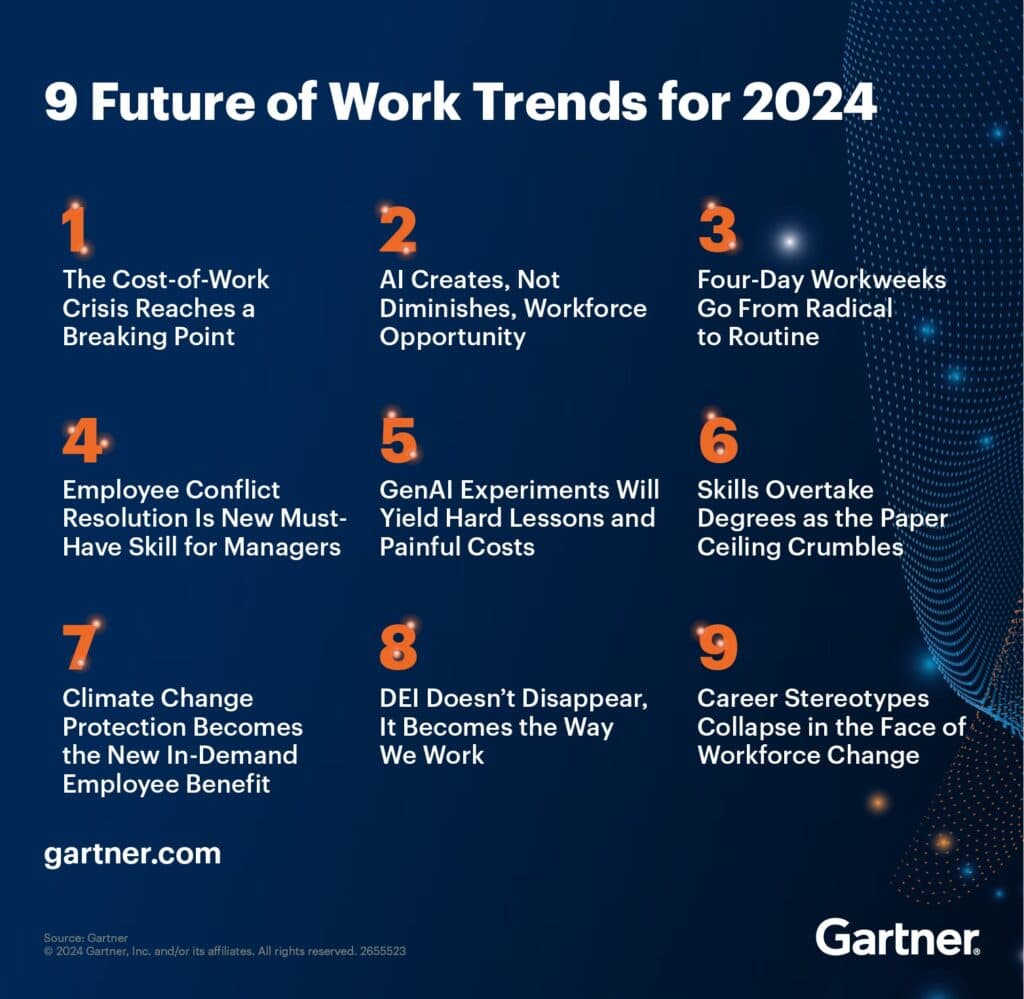
 Ten Professional Development Changes Shaping The Future Of Work In 2027
The labor market is undergoing one of the largest evolutions in living memory. Automation and artificial intelligence are transforming the tasks that require humans and what tasks do not. The working landscape has been altered with hybrid and remote approaches which have broken the bonds between work and locality in ways that are still in play. What skills employers have are evolving faster than educational institutions are able to reflect. The relationship between people and companies is moving away from the traditional mutual commitment model to something less definite, more bargained and reliant on the continuous demonstration of value. Here are the ten major career improvement trends that are influencing the changing jobs market through 2026/27.
1. AI Literacy Becomes A Universal Professional RequirementThe ability to efficiently work alongside AI tools is fast becoming a standard expectation for professionals across every industry rather than a specialist skill confined to technical roles. Knowing what AI can and cannot do reliably, how to construct effective workflows and prompts, knowing how you can critically evaluate AI-generated outputs, and how to integrate AI tools into professional practice effectively are all areas that employers are now starting to see as essential and not optional. Professions that excel are not necessarily those who know AI the most profoundly on a technical level but professionals who are able to blend their knowledge of their field with the ability to apply AI tools to their advantage within their respective fields.
2. Skills-Based Hiring Displaces Credential Based SelectionMany employers are shifting away from using education credentials to make look at this selection decisions, and instead focus on specific skills and capability. The realization that a degree awarded by one particular institution is an increasingly imperfect indication of the particular capabilities that the job requires is driving investments in skills assessments, portfolio-based hiring, work samples, and competency frameworks to assess what candidates have the ability to perform rather than what credentials they are able to demonstrate. For individuals, this means both a possibility and responsibility: a chance to be competitive based on proven capability regardless of education background and the obligation to grow and demonstrate that ability continuously.
3. This Half-Life Of Skills Shortens DramaticallyThe rate at what technology-related skills become obsolete is rising, driven in part by the speed of AI advancement, but also by the greater speed of change across different industries. Skills that were competitive in the past are not common expectations now, while the skills that are cutting-edge today may become obsolete or automated within an identical time frame. This is causing a profound shift in how career growth must be viewed, changing from a system of acquiring skills that are fixed and trading on it for decades to a model of continuous learning, regular review of skills and moving ahead of the way demand shifts rather than the place it was.
4. Portfolio Careers And Non-Linear Paths Get MainstreamThe notion of a straight career path through a single employer or even just a single field from entry level to retirement no longer describes the way in which most of people's careers actually play out and is losing its credibility as the ultimate goal. Portfolio careers that incorporate multiple streams of income, freelance work alongside employment, continuous shifts between various fields, and extended breaks for learning in caregiving, education, or personal advancement are becoming increasingly common and more accepted for employers, who've mastered to discern different career paths as evidence of adaptability than insecurity. The ability to articulate an unifying narrative that ties together diverse life experiences is becoming an increasingly important professional communication skill.
5. Remote And Distributed Work Reshapes Career GeographyThe geographic restrictions on career growth have been loosened significantly for roles that can be performed remotely, however these implications aren't fully settling. Professionals living in smaller cities and regions are now able of accessing roles or organizations that have required relocation. The market for talent has become more competitive as employers can hire globally rather than locally for numerous positions. The benefits of being physically located in major business areas have diminished for certain roles while remaining significant for other positions. In order to manage an employment in a dynamic world and deciding whether proximity is important and when it's not and determining the best way to maintain accessibility and career advancement opportunities within scattered organizations, is key and recent professional ability.
6. Personal Branding Changes From Optional to EssentialThe public perception of a professional's background, experience and track record beyond the borders of their current employer is now a crucial career advantage in ways that could only be seen by a small portion of those in previous generations. Professional reputations built through content creation or public speaking, community participation, and active participation in professional networking networks provide protection against change in an organisation as well as potential for career advancement that strictly internal development doesn't. The process does not need to make you a social media personality. The trick is to build enough external awareness that relevant opportunities relationships, collaborations, and opportunities are found regardless of a single employers is now standard career guideline rather than an additional addition for the incredibly ambitious.
7. Emotional Intelligence and Human Skills Command is a high-end skillAs AI is able to perform more cognitive tasks that used to require human knowledge, the competencies that remain uniquely human have been receiving increasing attention in the labor market. The ability in recognizing, managing, and appropriately respond to emotions from oneself as well, can be among the top frequently highlighted differentiators in roles that require direction, client relationships negotiation, team management and sophisticated communication. Creativity, ethical judgement and the ability to deal with uncertain waters, as well as the capacity to build genuine trust are all attributes that AI augments rather than replicates. Professionals that combine strong technological or domain-specific expertise and human-like skills that are well-developed are positioning themselves at the top of the line of the market for employment.
8. Wellbeing And Psychological Safety Become Retention ImperativesThe factors driving talent decisions are now shifting towards the quality of the working conditions, the psychological security of staff, the efficiency of management, as well as the degree of alignment with personal values. Compensation remains important but is increasingly insufficient as a standalone retention tool for specialists most in demand. Employers that invest in well-being, and in the quality of management and in a culture where employees feel comfortable to contribute their best and voice concerns without fear generally outperform those that rely on financial incentives on their own. For individuals, assessing the psychological situation of a prospective employer in the same manner as it applies to pay and advancement has become standard advice to career seekers.
9. Mentorship And Sponsorship Gain Renewed ValueIn a workplace characterized by constant changing, the value of relationships with experienced professionals that can offer insight or advocacy, as well an opportunity to participate in opportunities that are not easily accessible to the public has increased instead of decreased. Mentorship, where an competent professional shares knowledge in direction, as well sponsors in which a senior champion actively makes doors open and puts their influence behind advancing someone else's career Both are receiving increasing attention as professional development instruments. Reverse mentorship, where more junior professionals share expertise in areas such as technology, social platforms, and emerging cultural trends with senior colleagues, is also growing as a valuable and relationship-building practice that benefits both parties.
10. Motivation and Purpose Drive Career Decisions of a Growing cohortThe proportion of the workforce making career choices that are significantly determined by a desire to work in meaningful work, alignment between personal values and organizational goals and the belief that their professional contributions are important beyond its commercial output is increasing. This is more evident in professionals in their early years, but is not restricted to them. Organisations that can offer genuine purpose alongside competitive conditions, and demonstrate the truthfulness of their mission claims, rather than simply proclaiming them, can consistently succeed in attracting and keeping in the workforce that is most qualified to carry out that mission. The combination of career and purpose has its own challenges but the trend of shifts towards a workforce that is more than just a transaction, and is now more inclined to make decisions that are in line with that expectations.
The development of careers in 2026/27 requires greater engagement, more pervasive learning, and controlled self-control than at previous points in the history of work. The trends mentioned above don't simplify the way forward but they do make the way more obvious. Professionals who can see where value is going forward, make investments in the capabilities that remain uniquely human and build a visible understanding, and consider their careers as ongoing initiatives rather than fixed-term arrangements will be able to find more opportunities that anxiety. It is a changing job market fast, but it is not changing at random. We have a path, and those who identify it at an early stage have an advantage. For further information, head to these trusted levista.fr/ for further information.